 MEGO Международный интернет-портал для амбициозных людей
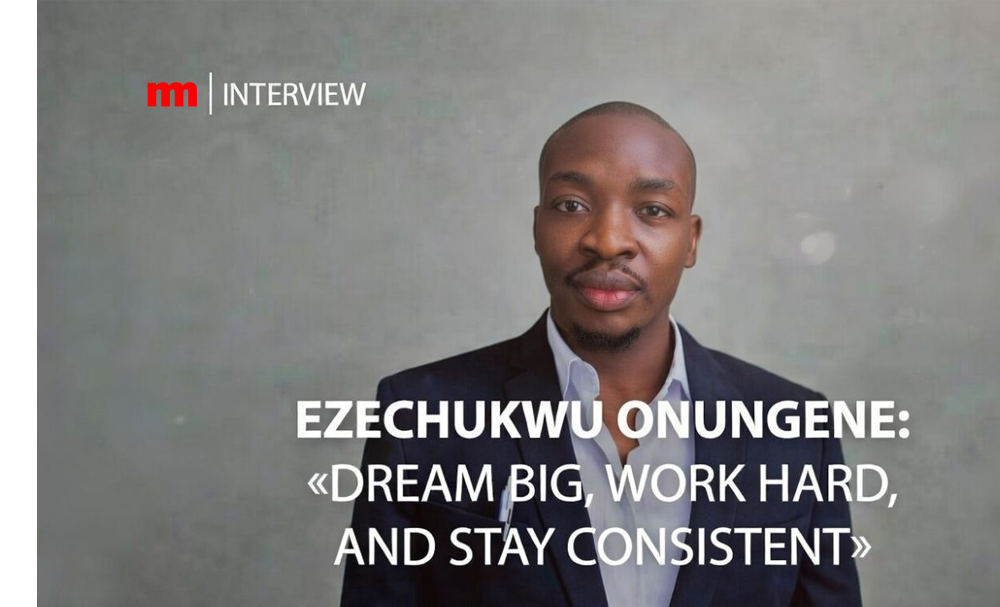
 Nigeria is the most populous country in Africa and one of the key demographic centers of the world’s future: according to UN projections, by 2050 it may rank among the three most populous countries on the planet. Yet for many Europeans, Africa still seems distant and almost unreal—as if real life and the most serious problems exist only here, in Europe. We rarely stop to consider that for millions of people on the African continent, the issue is not comfort but daily survival.
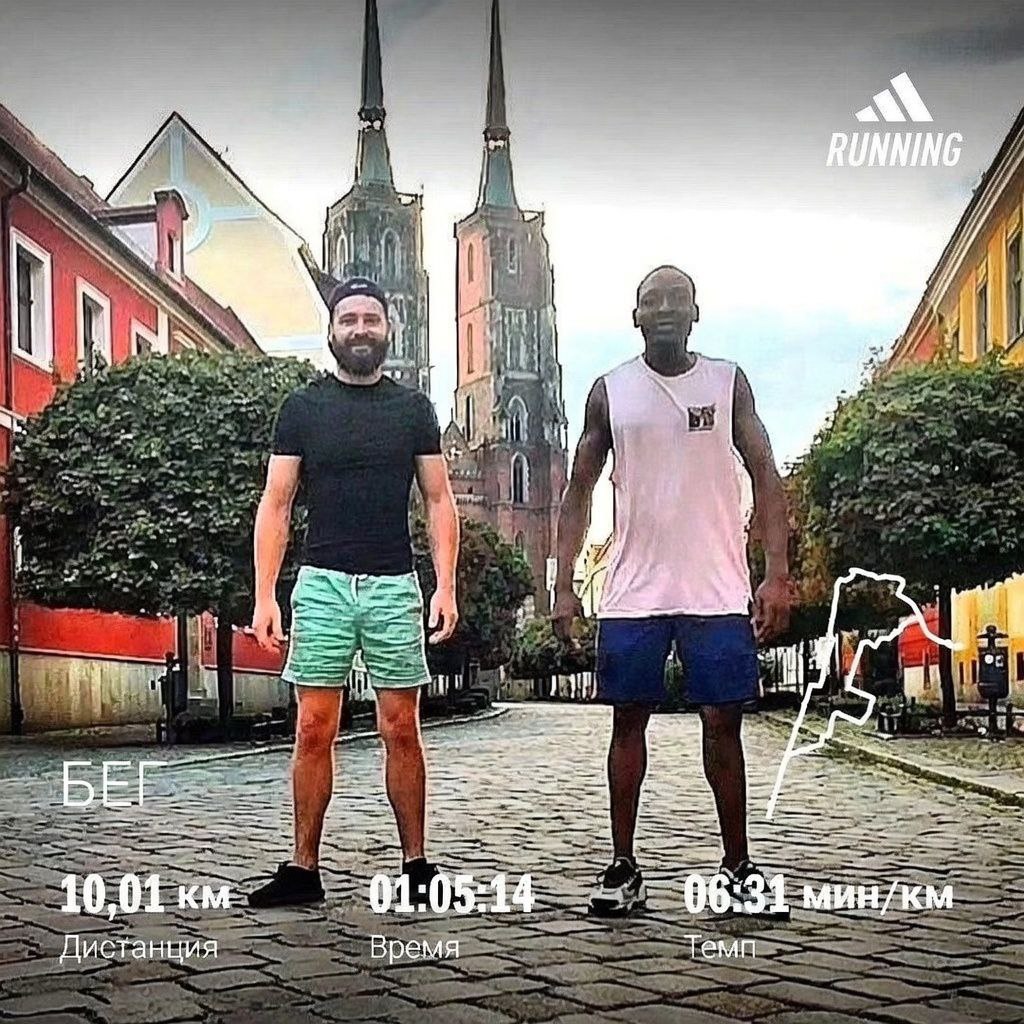
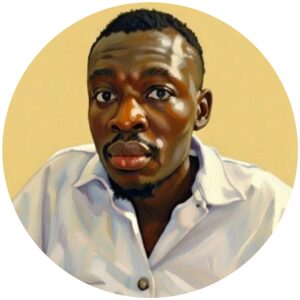
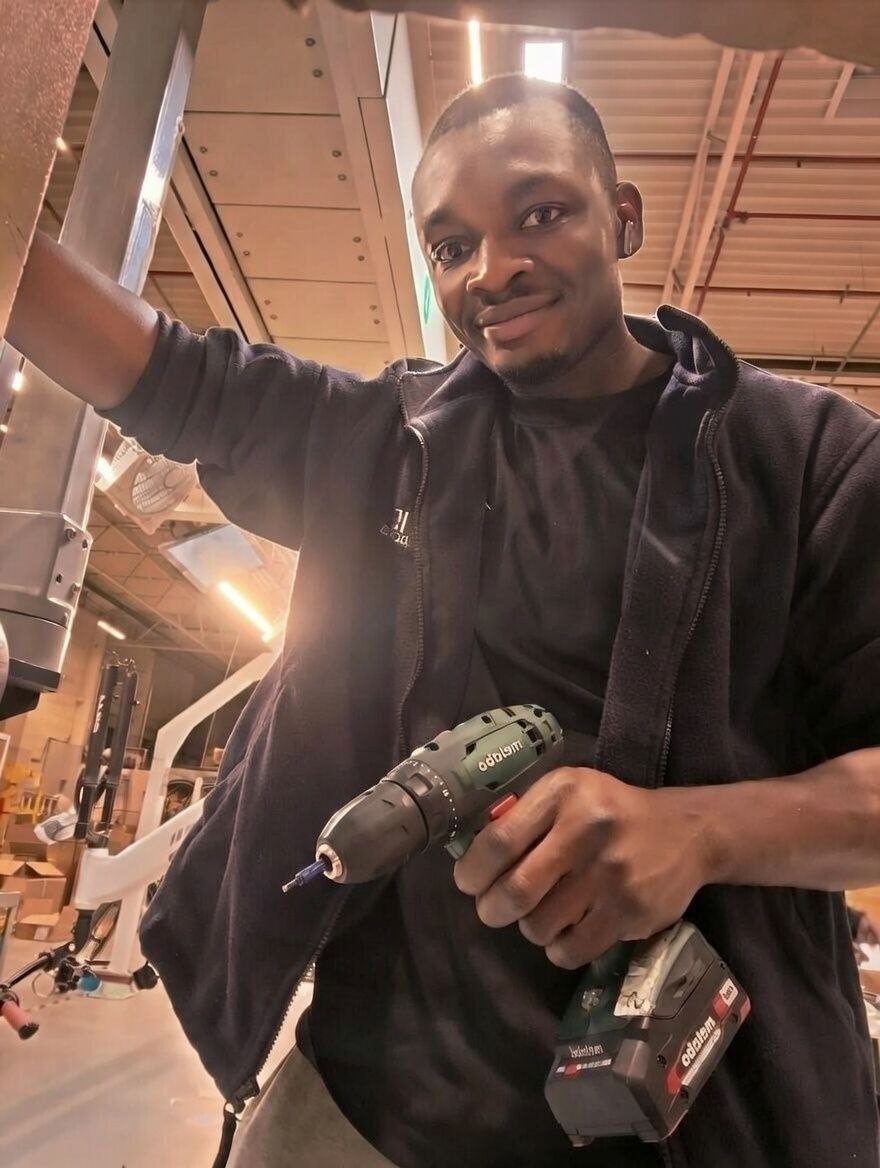
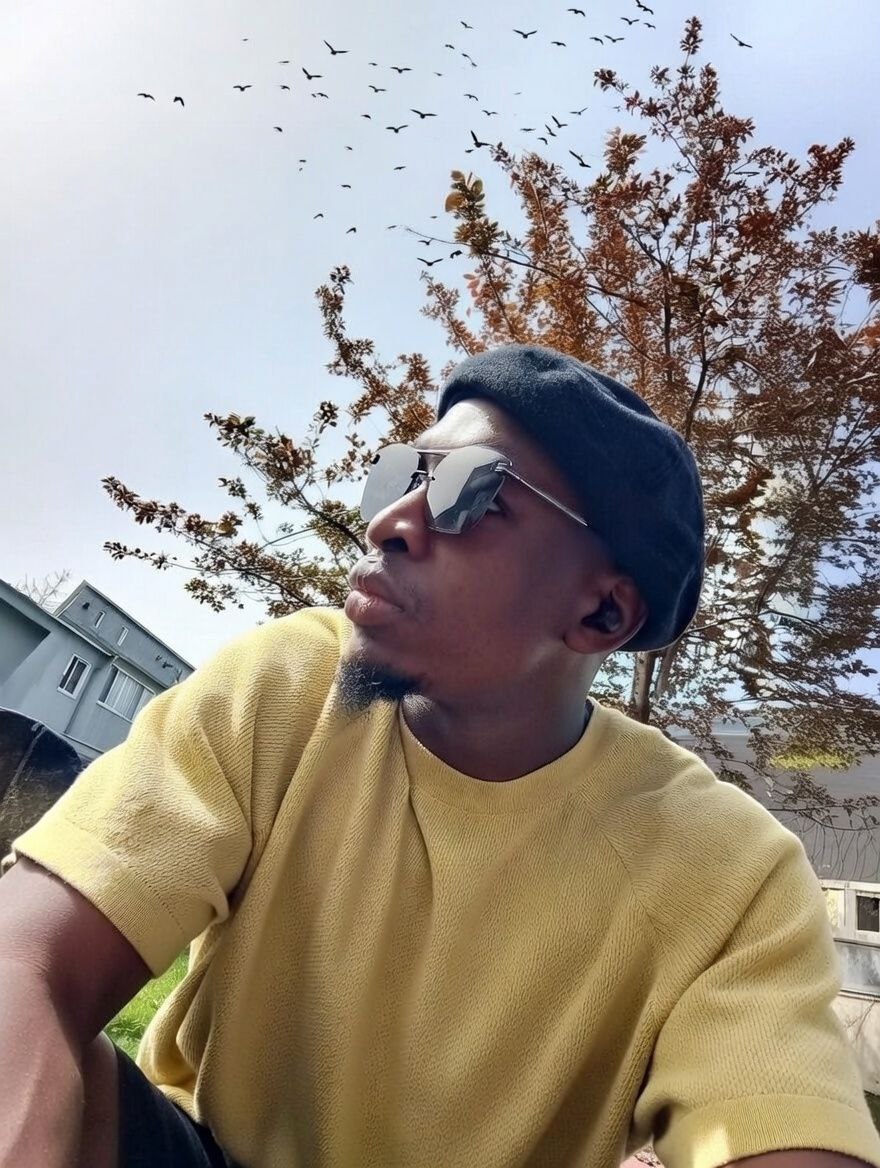
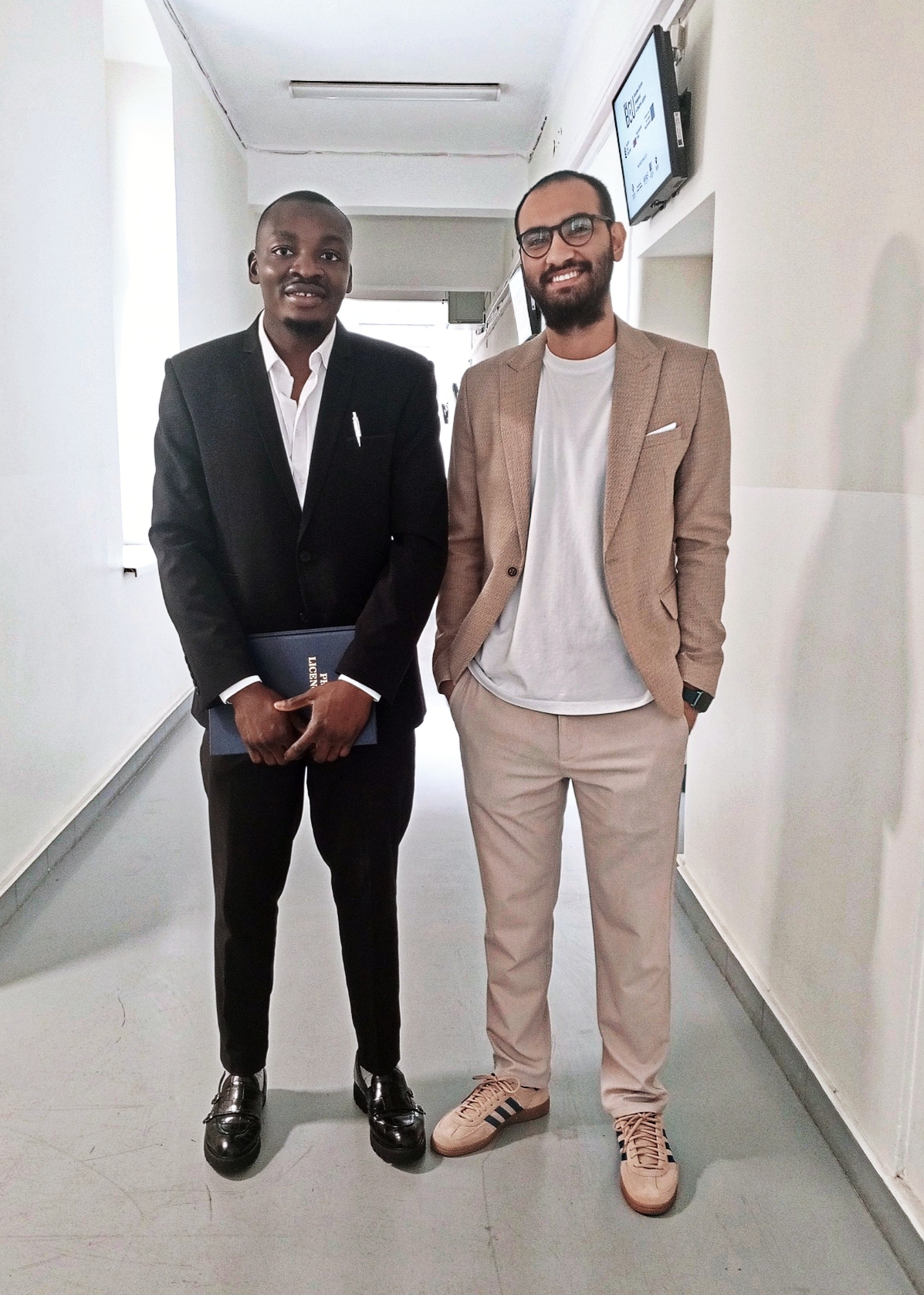
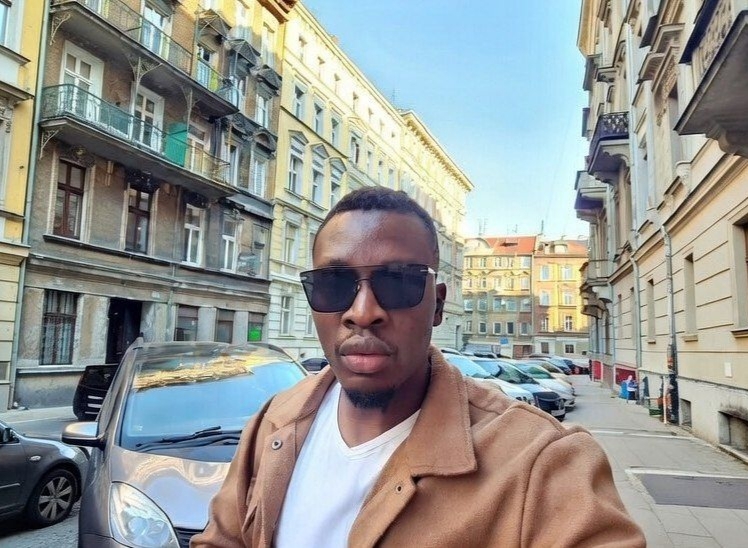
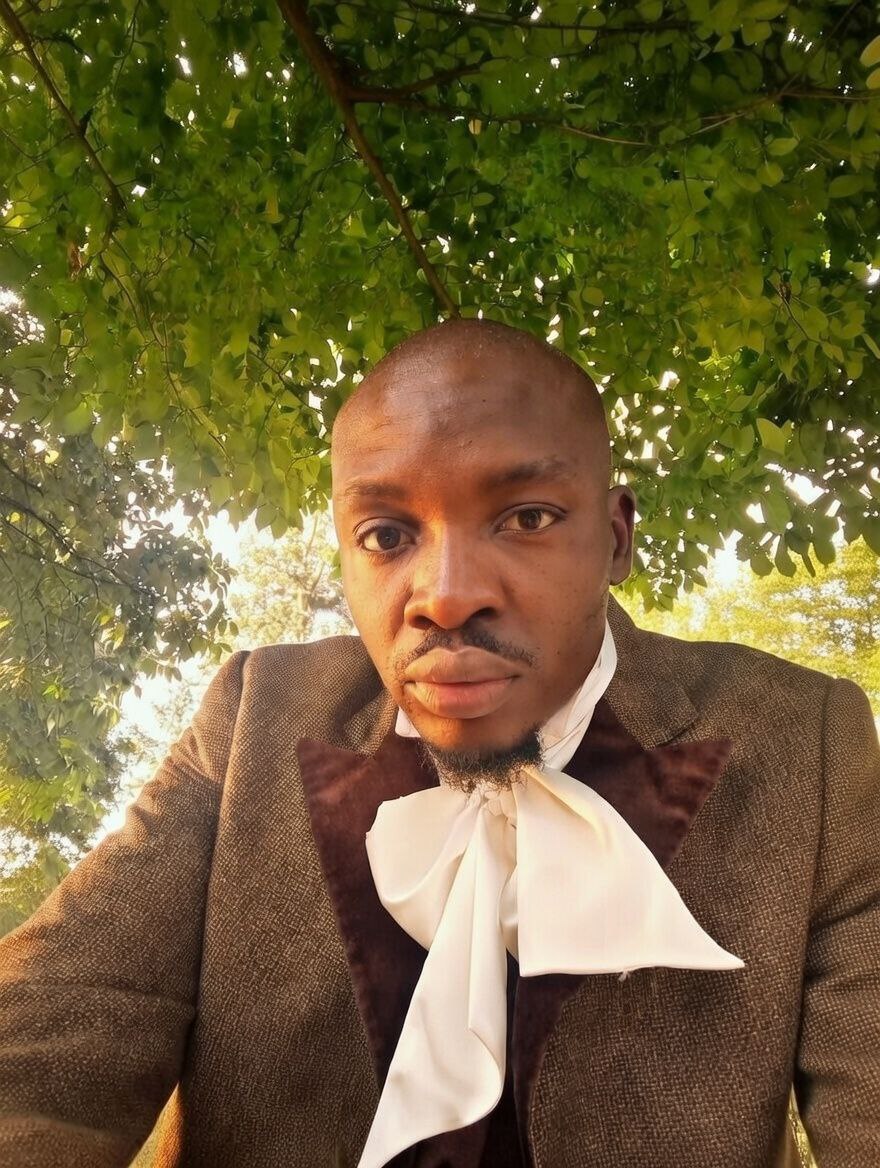
Our interviewee, Mike, is a Nigerian and a member of the Igbo people, who grew up in a large family where having five to seven children is considered normal and a sign of strength. He won a scholarship to study engineering at a Polish university, leads a healthy lifestyle, and is constantly developing himself, serving as a bridge between two worlds—one of relative prosperity and another where each day begins with struggle. This summer, Mike and I agreed to run 10 kilometers together at sunrise, as a symbol of moving forward.
D-prize industrial engineer,
actor & digital marketer,
— How old are you, and where are you living now?— I am 31 years old and currently living in Wroclaw, Poland.
— Tell us about your homeland. Why do you love it or not love it?
— My homeland is very important to me because it shaped my values, culture, and identity. I appreciate its rich history, resilience, and strong sense of community. While it faces challenges like economic and social issues, I believe loving one’s country also means recognizing its imperfectionshoping for progress.
— How was your childhood, and under what conditions did your family grow up?
— My childhood was stable and positive. I grew up in modest conditions where hard work, responsibility, and mutual support were emphasized. These experiences helped shape my character and motivated me to work toward my goals.
— Tell us about your family: your parents, brothers and sisters, and what they do.
— I come from a close-knit family that values education and responsibility. Although I prefer to keep personal details private, their support and work ethic have had a strong influence on who I am today.
— Nigeria is one of the most multilingual countries in the world. Tell me about your people and your language.
— Nigeria is a very multilingual country, and my people are from Aguleri in Anambra State. We speak Igbo, which is an important part of our cultural identity and daily life.
— Which traditions and cultural features of your people are especially important to you?
— The people of Aguleri value tradition, respect for elders, and strong family ties. Communal living, hospitality, and hard work are central to our way of life. Cultural practices such as traditional marriage rites and festivals help preserve our history and customs. These traditions are especially important to me because they shape my values and sense of belonging.
— Is there anything in Nigerian culture that you think the world knows little about but should?
— Yes. One aspect of Nigerian culture that the world often underestimates is our strong sense of community and shared responsibility. In many Nigerian societies, people look out for one another, and values such as respect for elders, hospitality, and collective support are deeply rooted.
Another important but less understood feature is Nigeria’s internal diversity. The country is home to hundreds of ethnic groups and languages, each with distinct traditions and histories. This richness goes far beyond common stereotypes and reflects a complex and vibrant cultural heritage that deserves greater global recognition.
III. HISTORY AND SOCIETY
— Why, despite abundant resources, does Nigeria have a large poor population?
— Despite having abundant resources, Nigeria has a large poor population mainly because of poor governance, corruption, and unequal distribution of wealth. Much of the country’s resource wealth has not been properly invested in education, healthcare, infrastructure, and job creation.
High unemployment, rapid population growth, and overdependence on oil have also limited economic opportunities. In addition, insecurity and weak institutions make it difficult for many people to improve their living conditions. As a result, Nigeria’s natural wealth has not translated into widespread prosperity.
— Which events or phenomena in the country’s history do you consider key to understanding modern society?
— Key events that shaped modern Nigeria include colonial rule, which brought together many ethnic groups under one administration, and independence in 1960, which started the country’s journey toward self-governance. The Biafran War showed the challenges of ethnic divisions, while the return to civilian rule in the late 1990s established modern democratic institutions. Additionally, the discovery of oil in the Niger Delta has influenced the economy and social development.
— How does Nigerian society perceive Africa’s role in the global context?
— Nigerians generally see Africa as a continent with great potential, rich in resources and talent, but still facing challenges on the global stage. There is a strong sense of solidarity and regional cooperation, while also recognizing the need for good governance and self-reliance to strengthen Africa’s role in the world.
IV. PERSONALITY, PHILOSOPHY, & THINKING
— How would you describe yourself—pessimist or optimist?
— I am an optimist who looks for solutions while staying realistic about challenges.
— How do you understand life: as a process, a journey, chance, or something greater?
— I see life as a journey—a process of learning and growth, shaped by both our choices and the challenges we face.
— Which historical or literary figure’s life would you be interested in experiencing?
— I would like to experience the life of a key figure from the Industrial Revolution to understand how industrialization shaped modern society.
— What does happiness mean to you?
— To me, happiness means freedom—the ability to live, grow, and make choices according to my values
— What do you fear most?
— Are you afraid of death? What I fear most is poverty, because it limits opportunity and freedom. I am not afraid of death, as I believe it is a natural part of life, and our focus should be on how we live and contribute while we can.
— If it were possible to change a person, what would you change first?
— If I could change a person, I would first help them develop a positive and open-minded attitude, because mindset shapes behavior, choices, and how they relate to others.
— If you could have a superpower, what would it be?
— If I could have a superpower, I’d instantly find anything lost.

V. GEOPOLITICS, MODERNITY, & TECHNOLOGY
— How do you see the future of Nigeria and Africa in the global context?
— I see Nigeria and Africa as having great potential to become global leaders, thanks to our young population, resources, and innovation. With good governance, education, and sustainable development, we can play a much stronger role in the global economy and culture.
— Nazism and extremist ideologies: why do they still exist, and how would you explain that?
— Nazism and extremist ideologies still exist because they exploit fear, inequality, and social divisions. They often promise identity or power to those who feel powerless, and spread through propaganda and misinformation. Combating them requires education, dialogue, and tolerance.
— What is your view on artificial intelligence, a post-human future, and the influence of technology on consciousness?
— I see AI and technology as powerful tools that can improve life, but they must be developed responsibly. While they can augment human abilities, they cannot replace the creativity, morality, and consciousness that make us human.
VI. EDUCATION & WORK
— Studying in Poland: what interests you most in engineering?
— I am most interested in engineering because it allows me to apply theory to solve real-world problems. Studying in Poland offers modern labs and practical experience, which will help me gain skills to contribute to industry and society.
— How does work and study here differ from what you expected?
— Work and study here have exceeded my expectations. I expected mostly theory, but there is a strong focus on practical application, problem-solving, and teamwork, which has taught me valuable skills like time management and resilience.
— What skills or qualities do you consider most important for success in your field?
— I believe the most important skills for success in my field are effective management and consistency. Good management ensures that projects and teams are organized, goals are clear, and resources are used efficiently. Consistency allows one to maintain high standards, meet deadlines, and build trust over time, which is essential for long-term success
— How do you feel about social integration in Poland?
— Do you feel part of society? I feel generally welcomed in Poland, but I am still myself as a foreigner and face some language challenges. I see integration as a gradual process, and through study and work, I am learning, adapting, and contributing while respecting local culture and values.
— Which qualities in people do you value most?
— I value people who show respect and understanding, recognizing that everyone is different and treating others with empathy and fairness.
— Which qualities are particularly difficult for you to accept or understand?
— I find it difficult to accept when people generalize or stereotype others, because everyone is unique and deserves to be understood individually.
VIII. BOOKS, MOVIES, & HOBBIES
— Which books have made a strong impression on you, and why? Two books that impressed me are “Thinking, Fast and Slow” for its insights on decision-making and “The Alchemist” for its lessons on pursuing goals and personal growth. Both have influenced how I think and approach challenges.
— Which movies or series have stuck with you and given you food for thought?
— A movie that impressed me is “Inception”, for its insights on the mind and reality, and the series “Black Mirror”, for its thought-provoking look at technology and society. Both made me reflect on human behavior and responsibility.
— Do you have hobbies or interests that are especially important for your inner world?
— Acting and filmmaking are very important to me because they let me express ideas, explore emotions, and develop creativity and empathy.
IX. LIFE EXPERIENCE & GOALS
— What goals are currently most important to you in life?
— My most important goal right now is to build a successful industrial business. I haven’t started yet, but I am motivated by the vision of creating something significant, potentially reaching the scale of the largest factories ever built. This goal drives me to learn, plan, and gain the skills I need to turn that vision into reality.
— If you had financial independence, what would you want to do?
— If I had financial independence, I would focus on helping people in need, especially in areas lacking basic social amenities, while supporting projects that improve communities and protect the environment
— What brings you the most joy and the most frustration in life?
— What brings me the most joy is seeing growth and progress in myself or others, while what frustrates me most is wasted potential or lack of effort, which I try to turn into motivation to improve things.
X. MOTTO & PERSONAL PRINCIPLES
— Do you have a life motto or phrase that guides you?
— Yes, my life motto is: “Dream big, work hard, and stay consistent. It reminds me to set ambitious goals, put in the effort required, and remain disciplined even when progress is slow. This mindset helps me stay focused, overcome challenges, and keep moving toward my long-term vision.
— Which principle or rule helps you make decisions in difficult situations?
— In difficult situations, I make decisions based on responsibility, integrity, and long-term impact, ensuring my choices are fair and aligned with my values.